01 / RECONSTRUCTING THE HUMAN PAST
Archaeogenetics
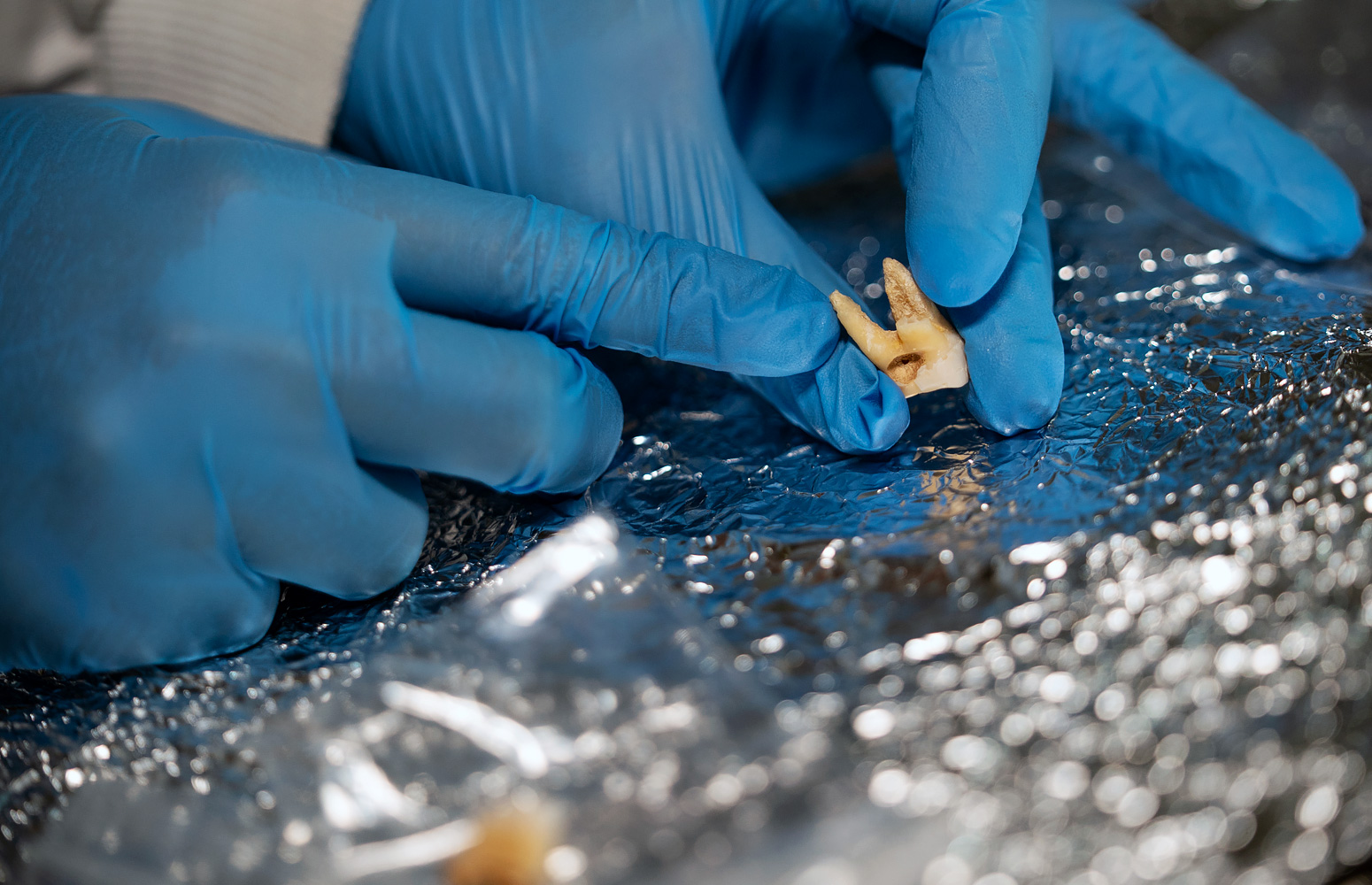
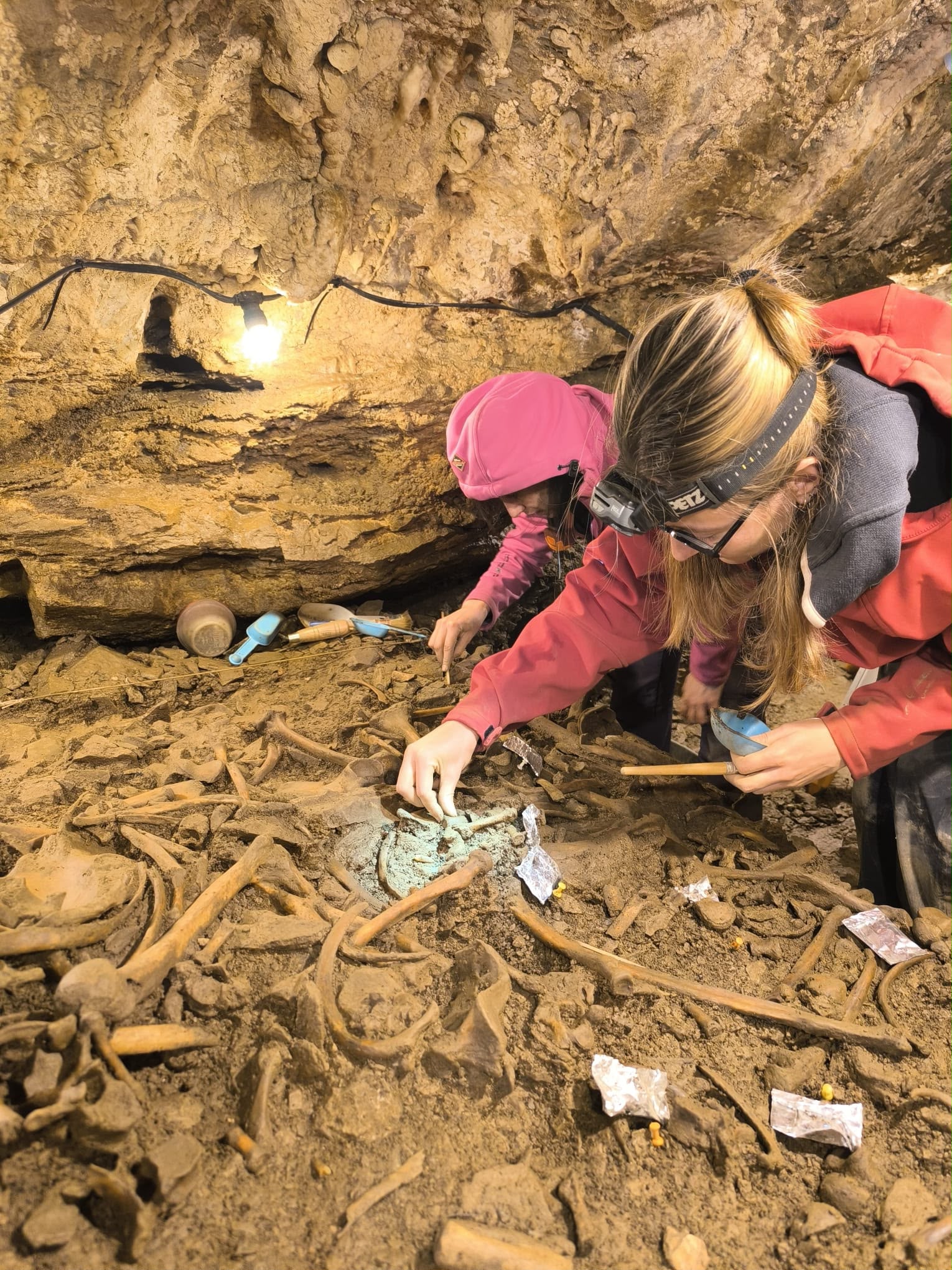
Ancient genomes offer a window into population history, mobility, social organization and disease.
Explore this research

Archaeogenetics & forensic genetics
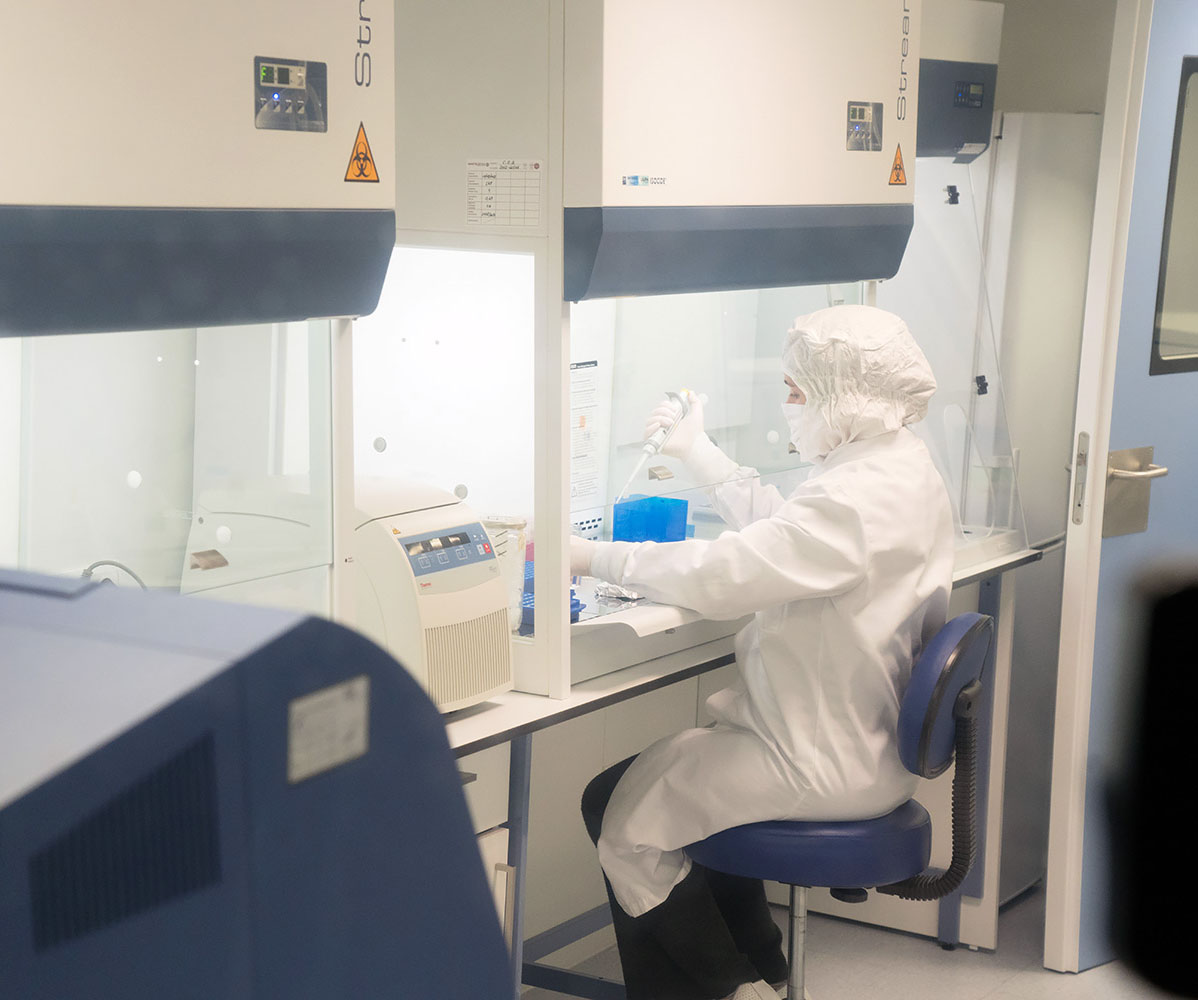
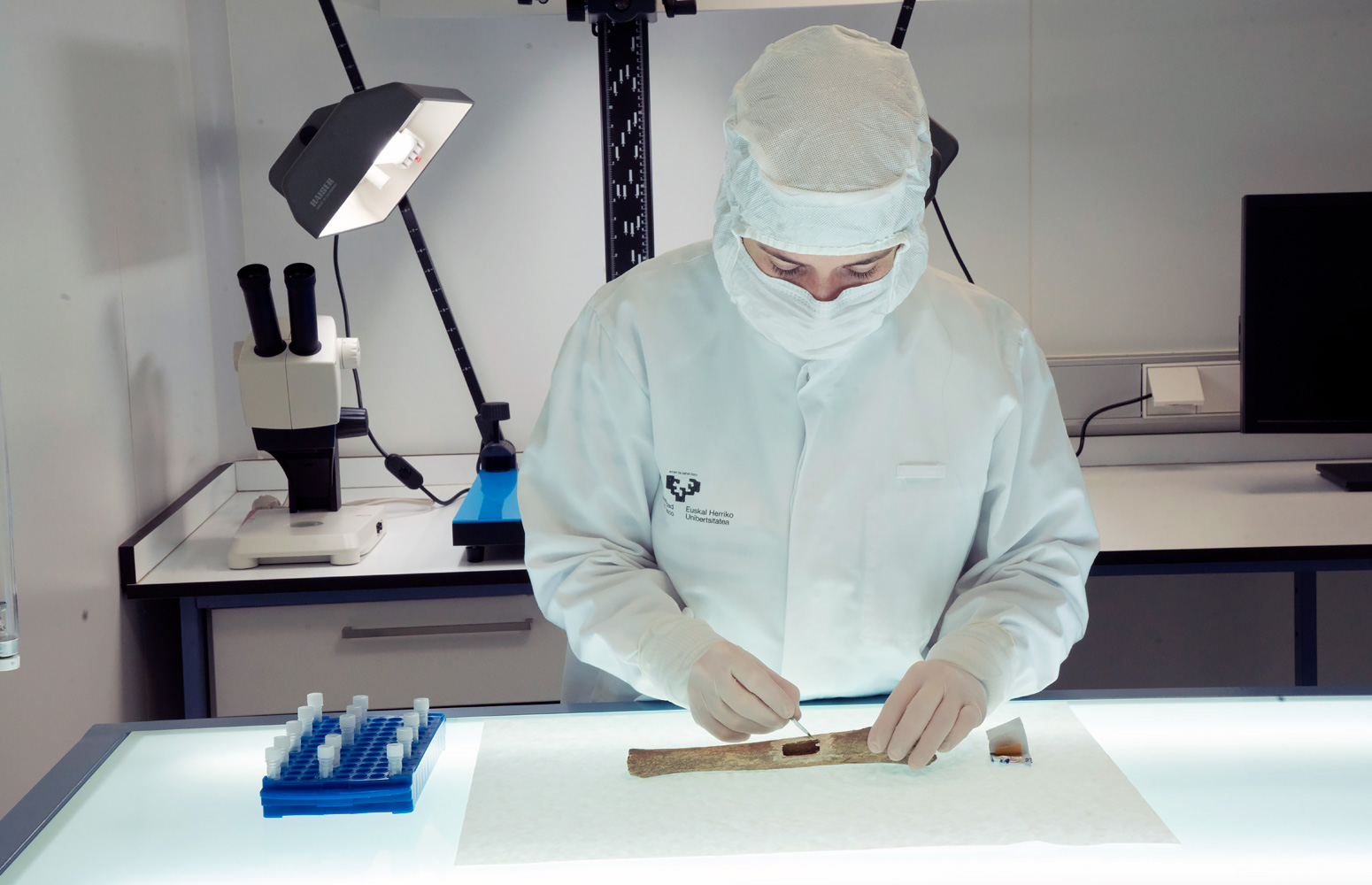
We study past populations through ancient DNA and apply forensic genetics to the identification of victims.
Our research
From ancient populations to individual lives,
we explore the stories preserved in human DNA.
Ancient genomes offer a window into population history, mobility, social organization and disease.
Explore this researchGenetic identification of victims of the Spanish Civil War.
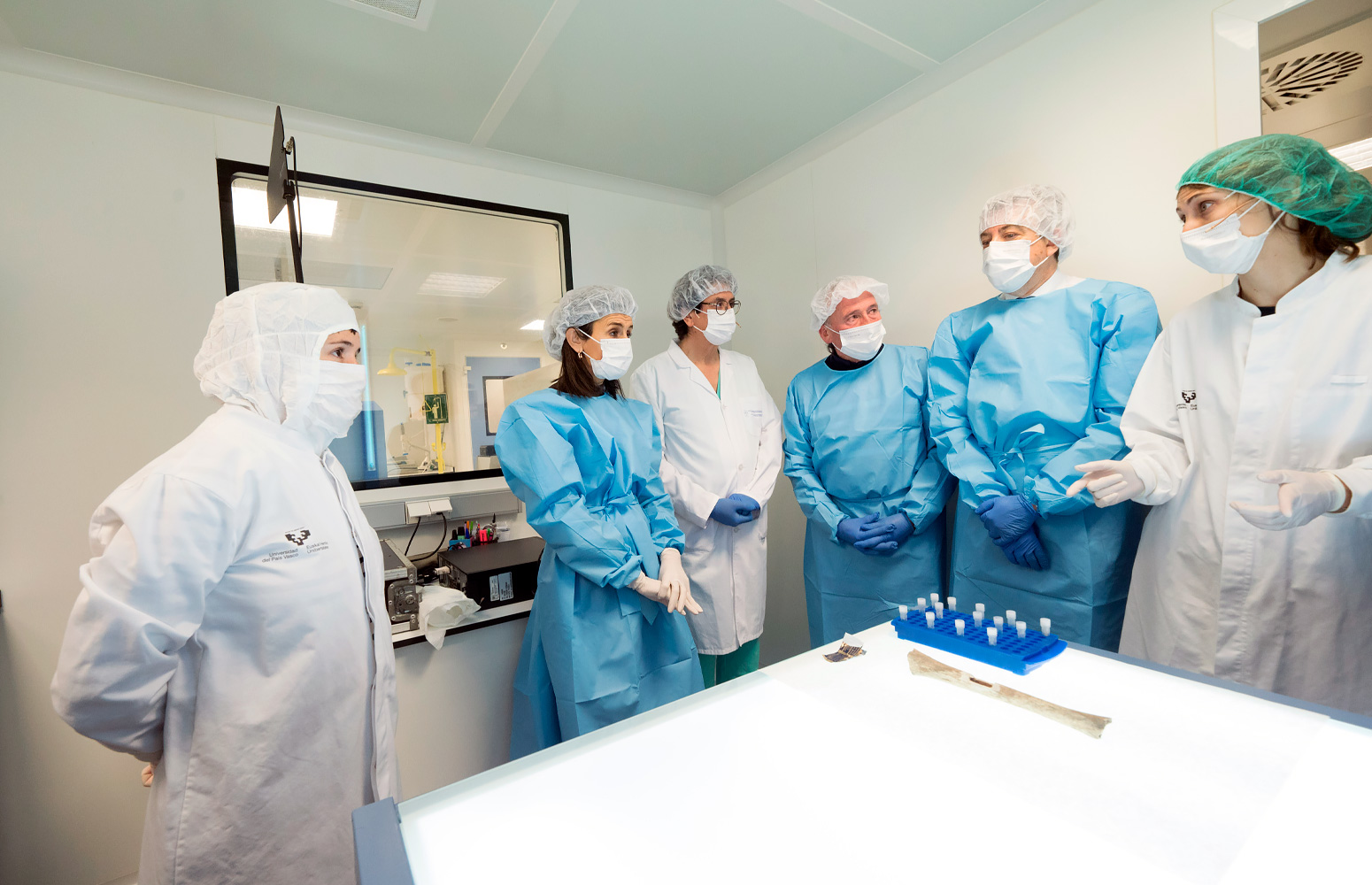
Explore this researchWe are a research group at the University of the Basque Country, working at the intersection of ancient genomics, archaeology and forensic genetics.
We work together with anthropologists, archaeologists and historians to understand past societies and contribute to the identification of human remains.
We belong to the Grupo Consolidado Microfluidics & Biomics cluster UPV/EHU.
From our research
Archaeogenetics
Olalde, I., Altena, E., Bourgeois, Q. et al. · Nature 652, 938–946 (2026)
Archaeogenetics
Fowler, C., Olalde, I., Cummings, V. et al. · Nature 601, 584–587 (2022)
Forensic genetics
Navarro-López, B., Wilke, F., Suárez-Ulloa, V. et al. · Scientific Reports 15, 13826 (2025)
News & Outreach
August 2026: Diego participates in the Annual Meeting of the European Association of Archaeologists (EAA) in Athens, with a talk entitled “Shared ancestry across religious boundaries in medieval Córdoba, Spain”.
June 2026: Almudena participates in the International Conference on Palaeogenomics (ICP 2026) in Stockholm, presenting the poster “Archaeogenetic data reveals genetic diversity and social dynamics in ancient Empúries”.
June 2026: Iñigo gives the outreach talk “Vida y muerte en las sociedades megalíticas vascas: una mirada a nuestro pasado a través del ADN antiguo” at the University of the Basque Country summer course in Ataun.